Aschenbrödels Traum
Fairytale operetta by Martina Eisenreich and Axel Ranisch
Inspiriert von Johann Strauß
In German language with German and English surtitles
suchen:
The fairy tale of Cinderella is well known. Less well known, however, is that Johann Strauss worked on a ballet based on this fairy tale at the end of his life. Only a fragment of it has survived. The mysteries surrounding this fragment inspired Axel Ranisch and Martina Eisenreich to create their own piece about the creation of the ballet, its storyline, as well as an unusual Cinderella story set in our present day. This fairy-tale operetta presents a Cinderella unlike any other Cinderella in the world!
Vienna, 2025: The young Cinderella moves into a house at Glasergasse 7 in Vienna with her stepmother Alice and stepsisters Dorothee and BirdyLove. Alice wants to recruit the talented young footballer Danny for her football club, FC Wien, and in doing so, she disrupts not only Cinderella’s emotional world. While exploring the house, Cinderella discovers in the attic the libretto for a ballet by Johann Strauss, written by a certain Ida Grünwald. This sets off a chain reaction that twists time itself…
Vienna, 1899: Johann Strauss wishes to compose a ballet. A competition is held to find a suitable libretto, and indeed, one of them manages to inspire the composer’s imagination. But it does not come from the official submissions—it comes from the copyist Ida Grünwald. She was supposed to merely type out the competition entries but secretly smuggled in her own Cinderella.
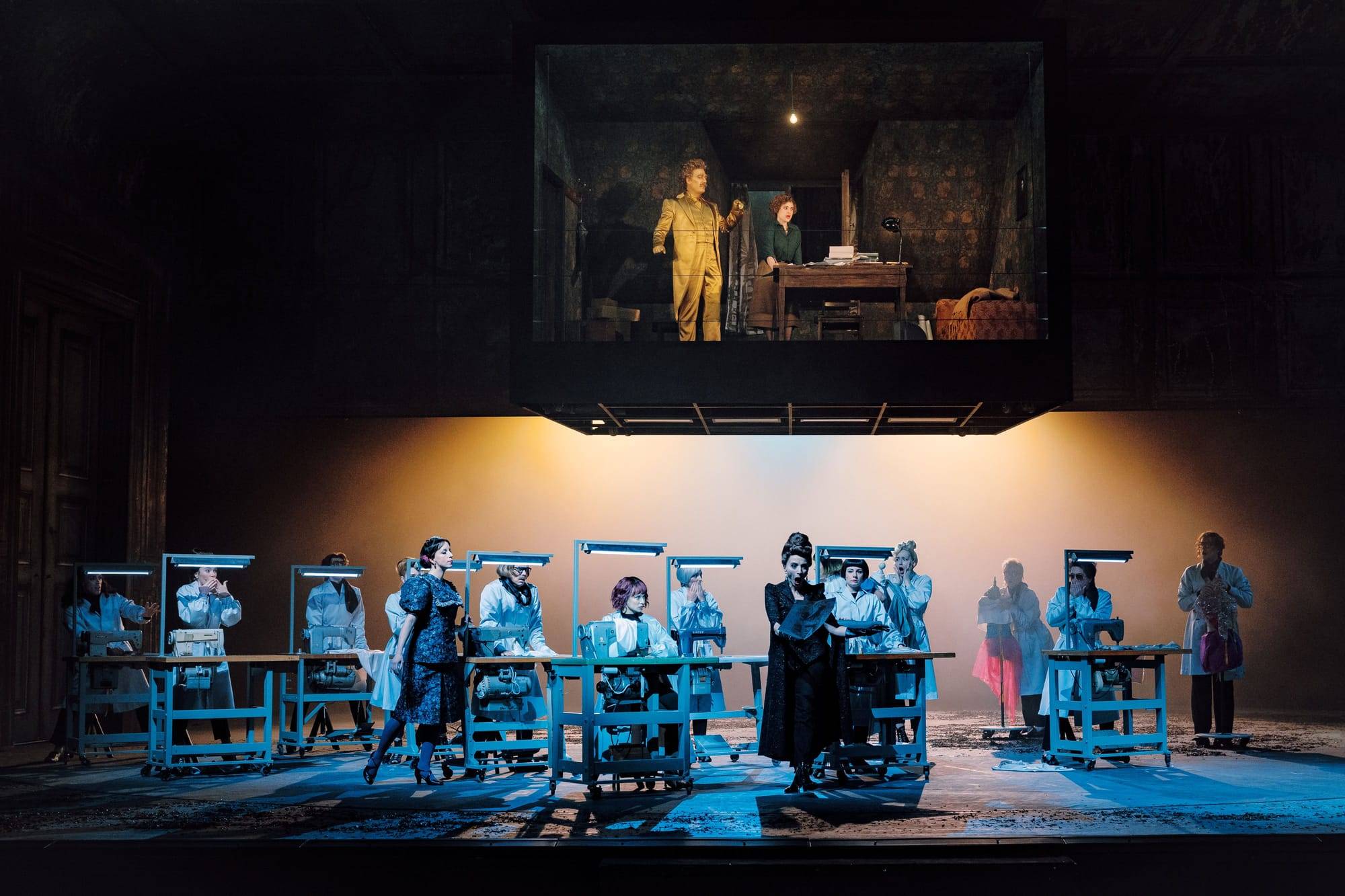
The Cinderella Ballet: The talented seamstress Grete works in her stepmother’s fashion salon. Grete dreams of designing her own fashions, but her stepsisters Yvette and Fanchon make fun of her. When the painter Leon enters the salon, everything changes.
Aschenbrödels Traum (Cinderella’s Dream) takes the audience on a fantastic journey, telling a story of self-discovery and emancipation as much as of creativity and the power of imagination. Martina Eisenreich’s music traces the artistic spirit of Johann Strauss, plays with quotations, and yet creates an entirely new musical world.
With the kind support of Johann Strauss 2025 Wien
Komponistin Martina Eisenreich
Regie & Libretto Axel Ranisch
Choreography Alex Frei
Bühnenbild & Videodesign Falko Herold
Costume design Alfred Mayerhofer
Lighting design Alex Brok
Dramaturgy Thomas Höft
Dramaturgy Peter te Nuyl
Sounddesign Martin Lukesch
For all those who use a screen reader, a description of the visual aspects of the performance (set design, costumes...) follows here instead of the photo gallery.
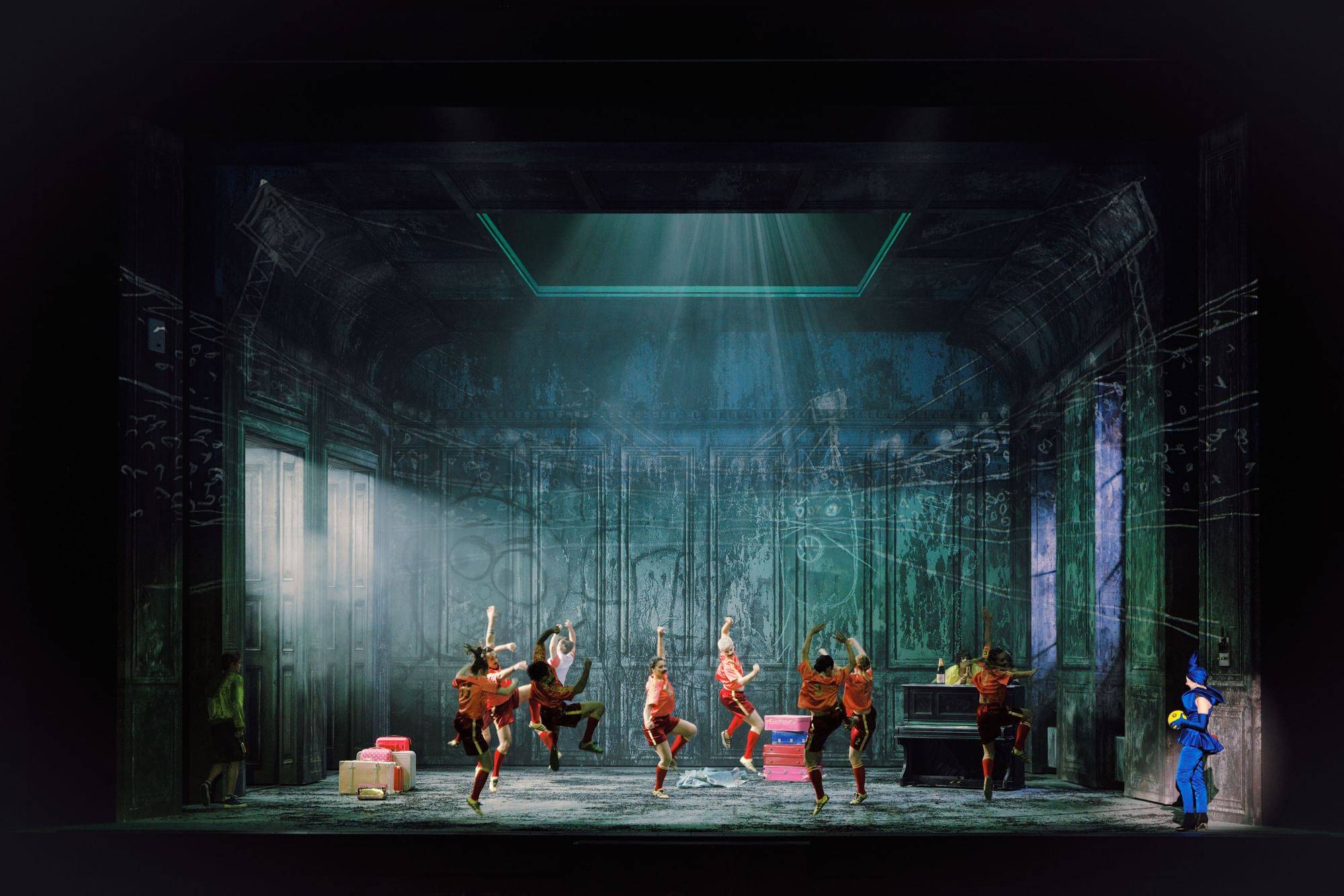
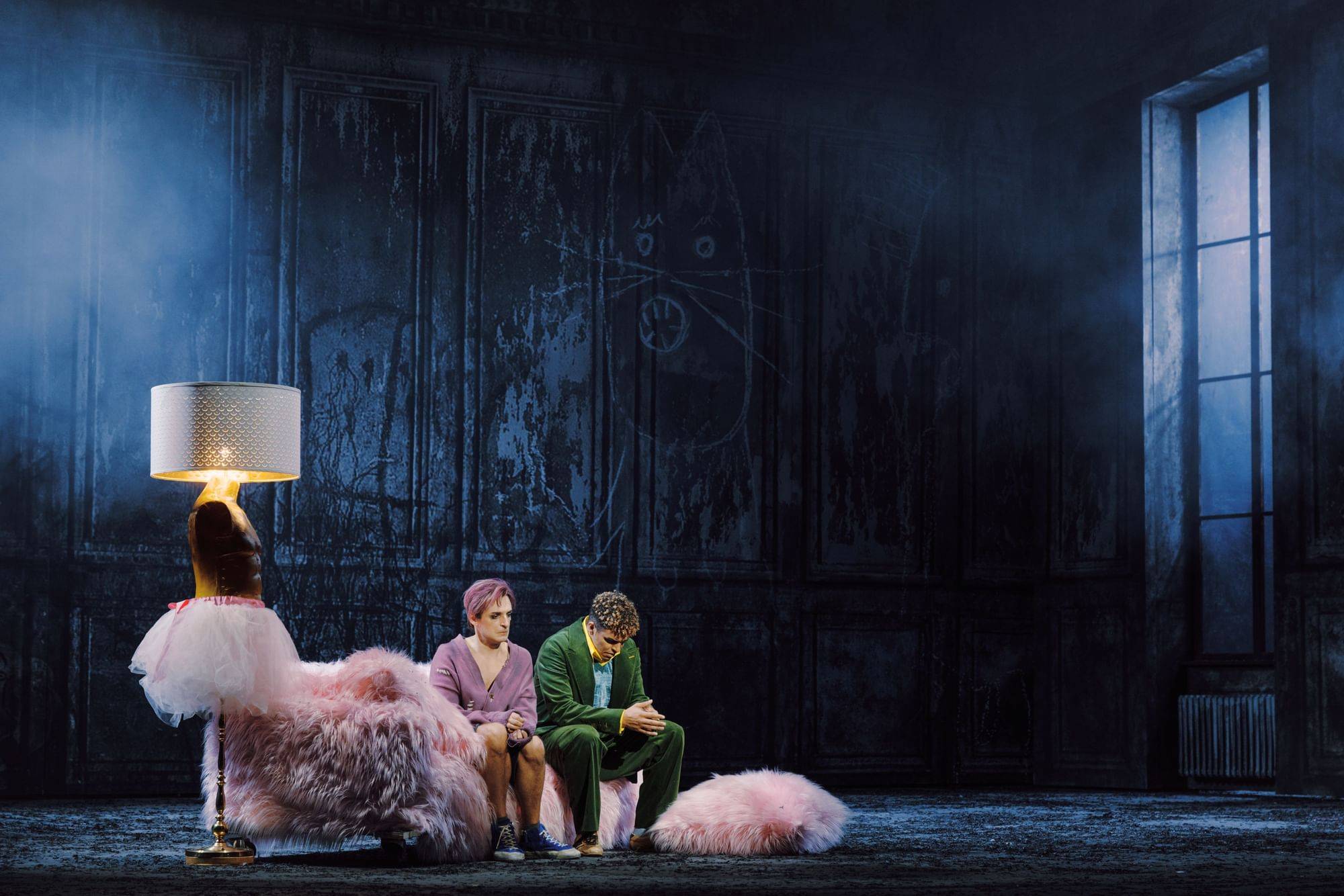
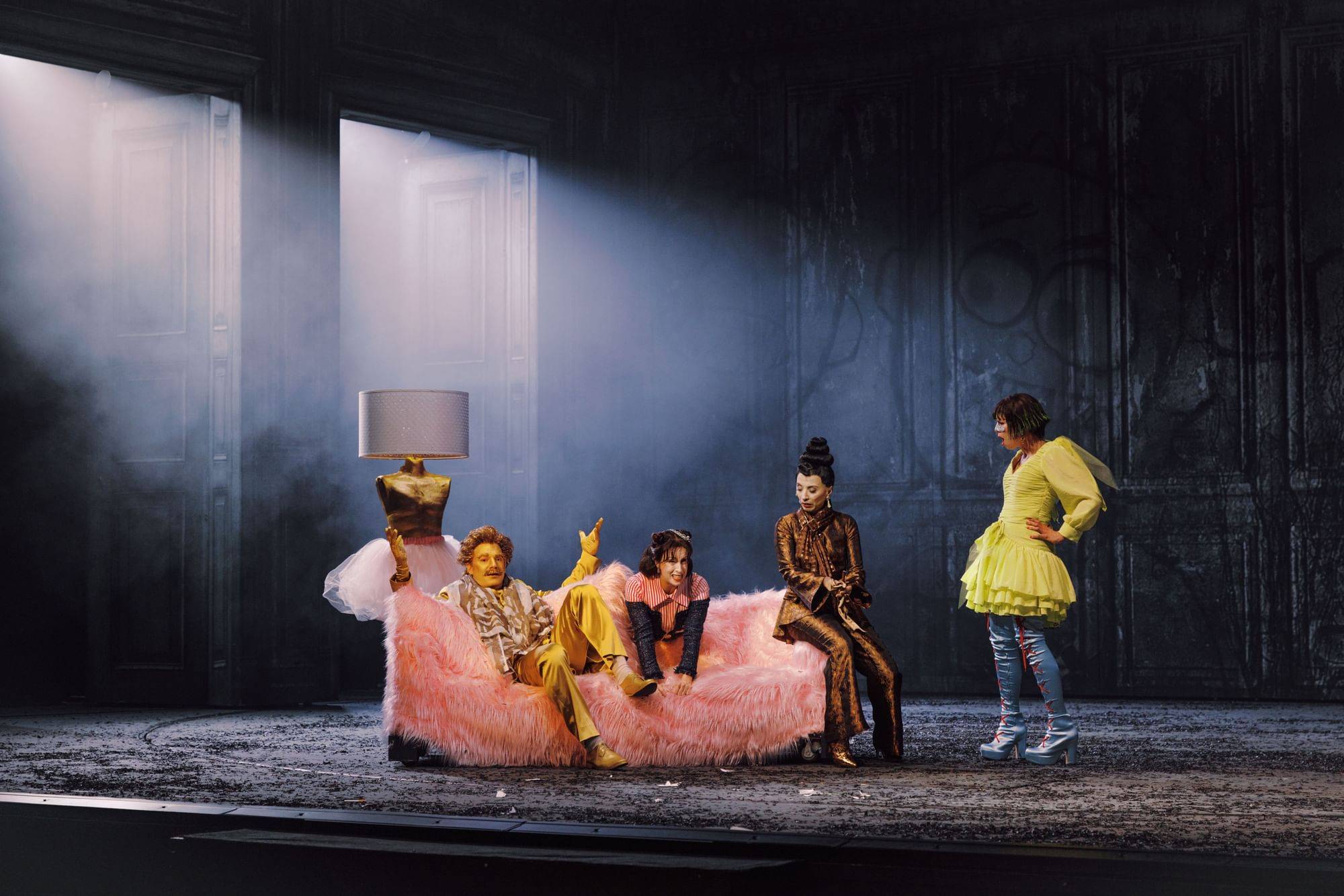
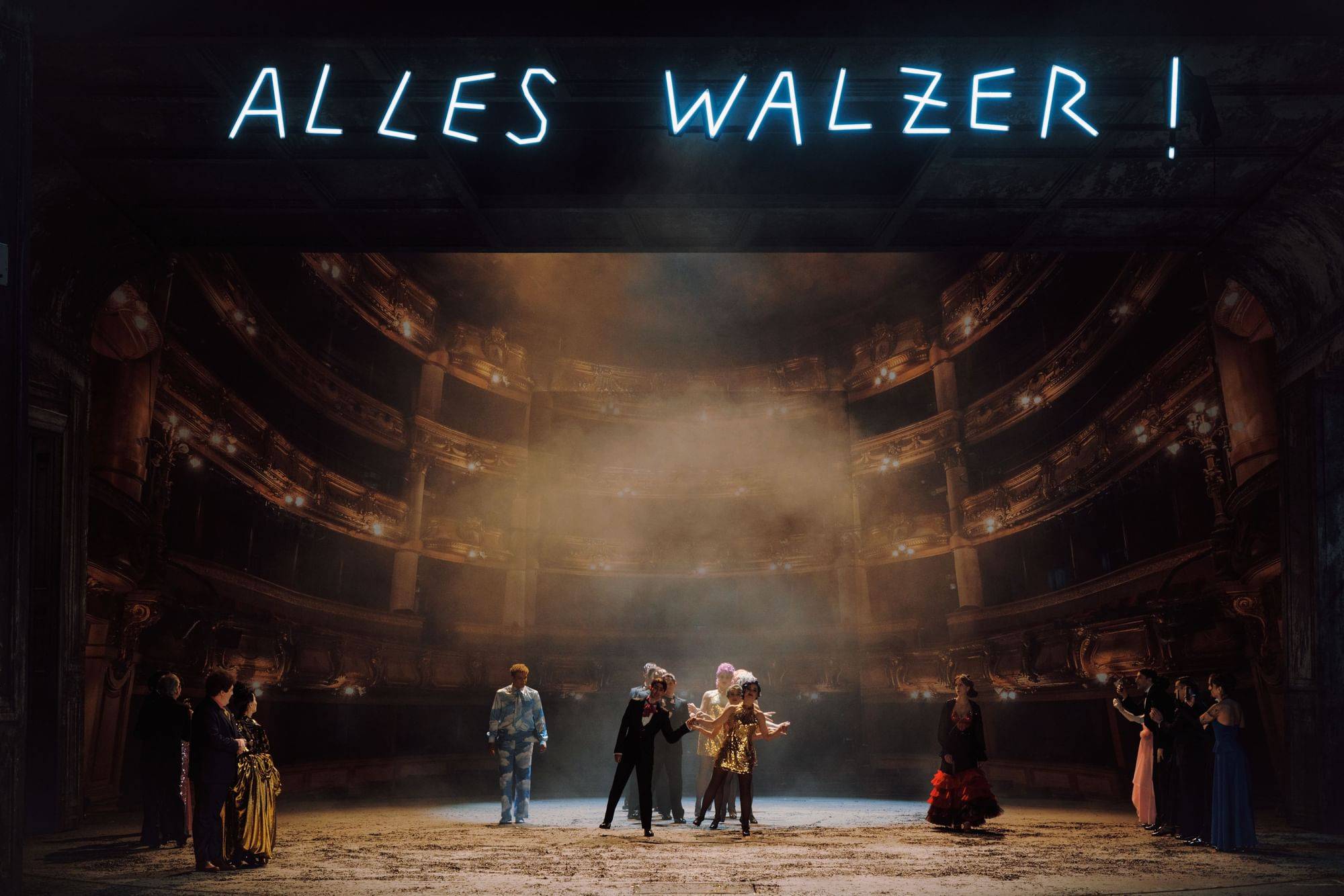
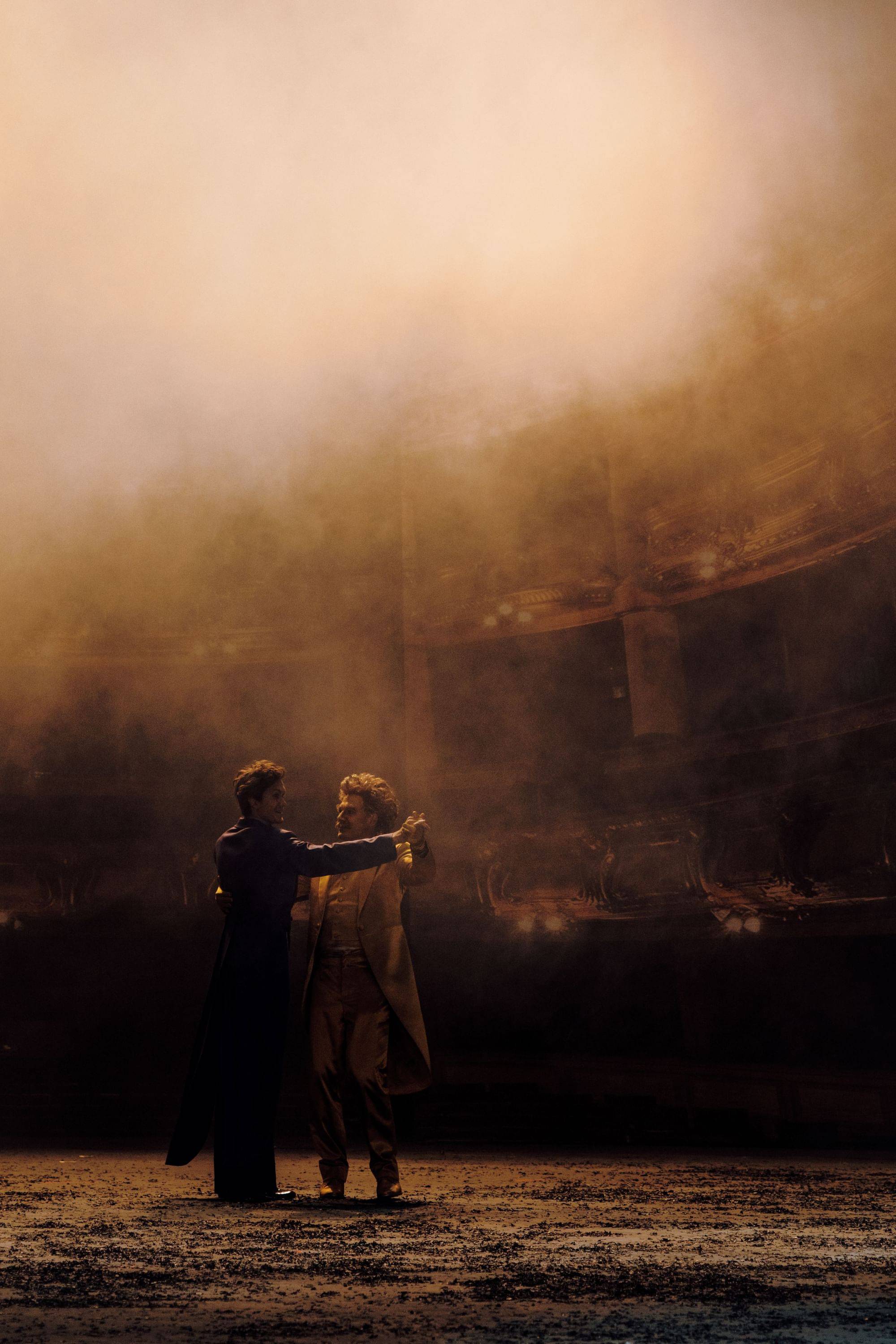
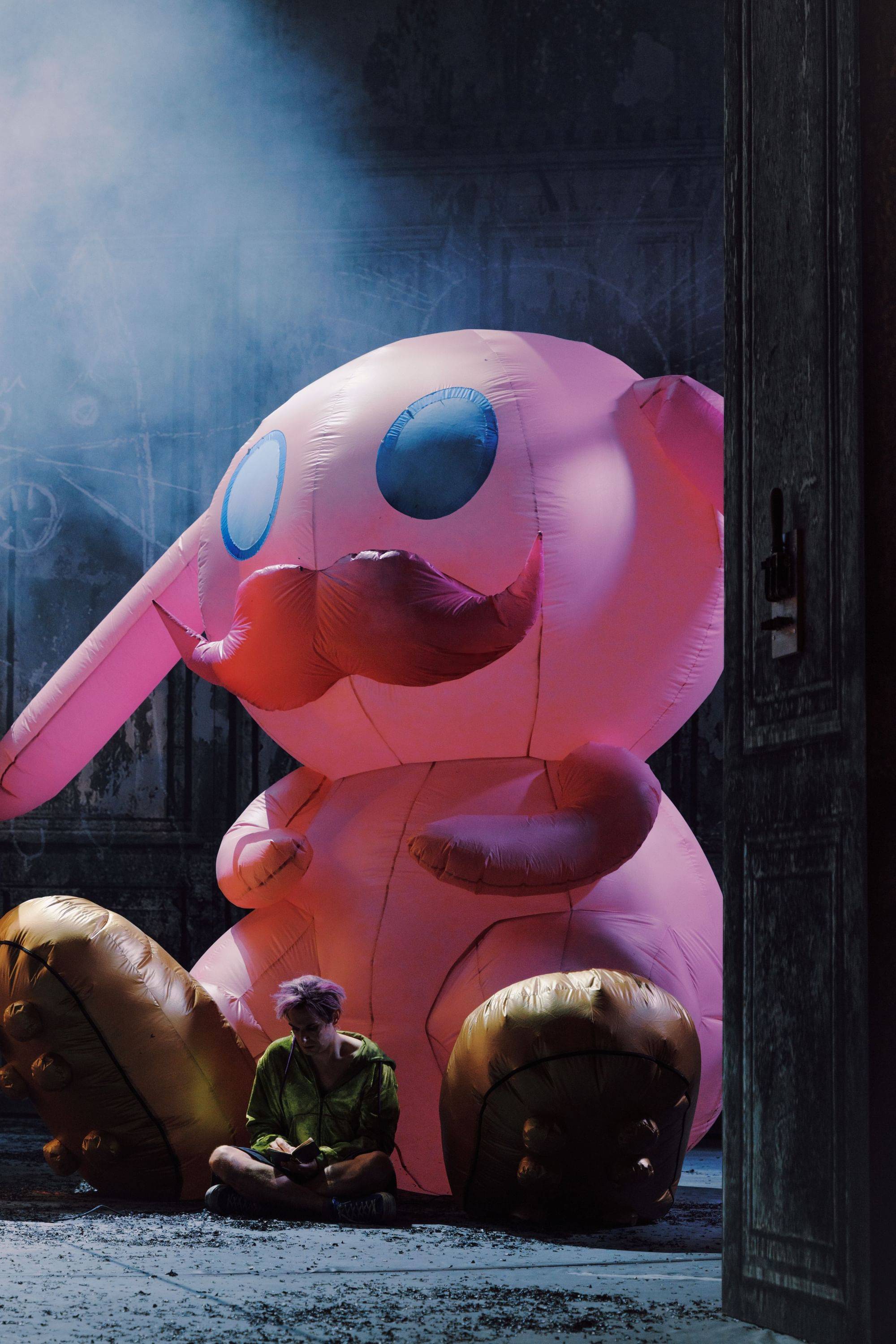
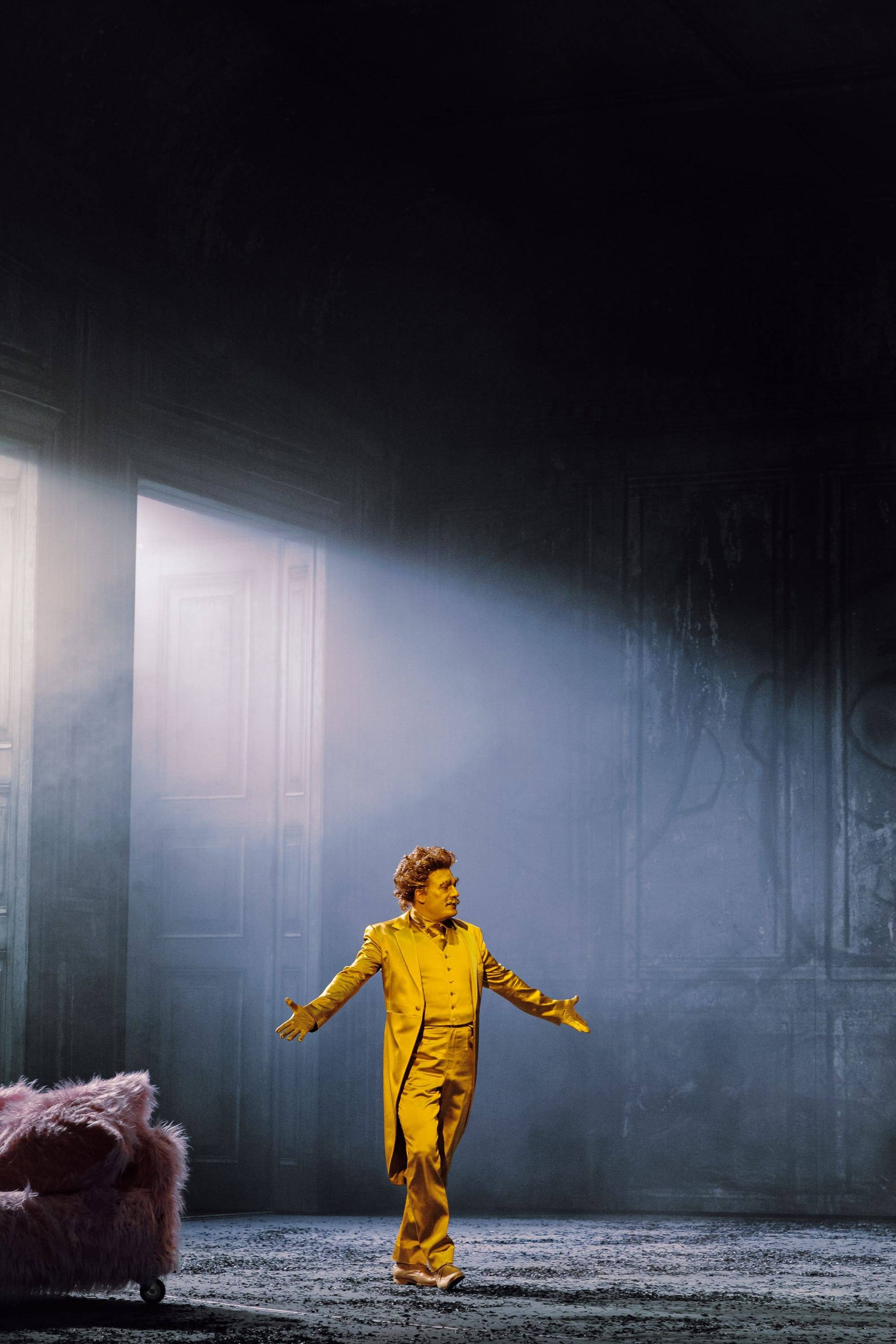
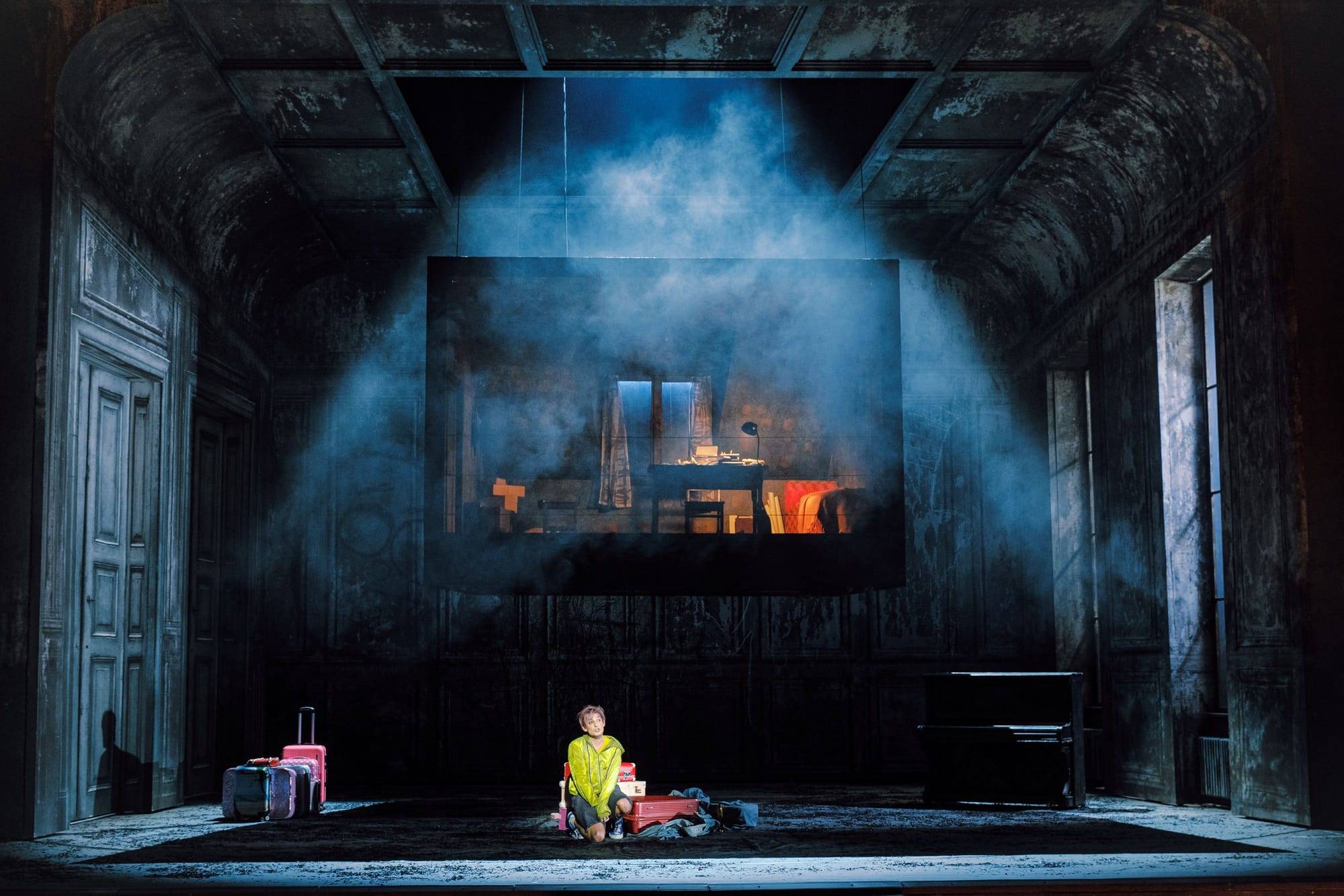
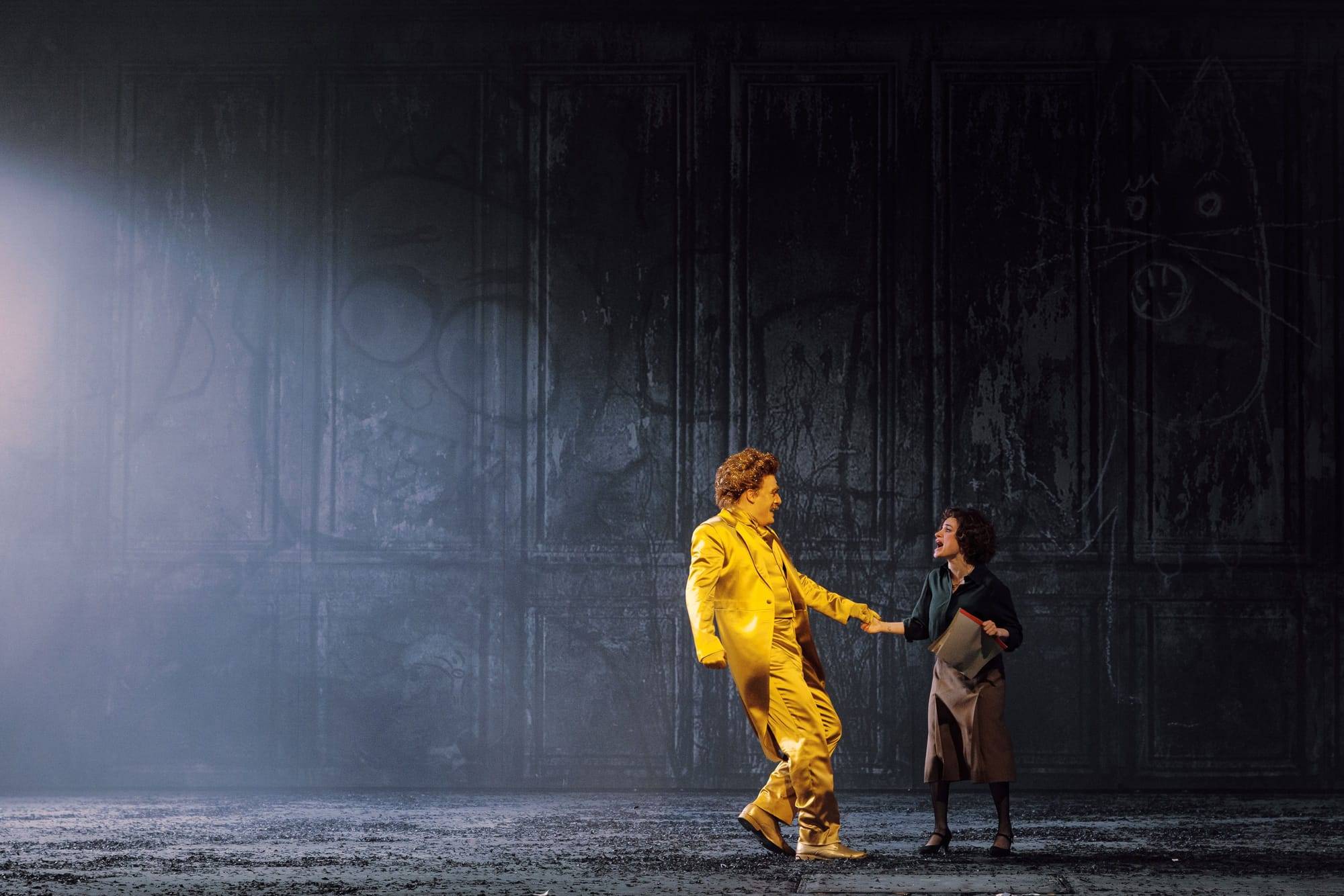
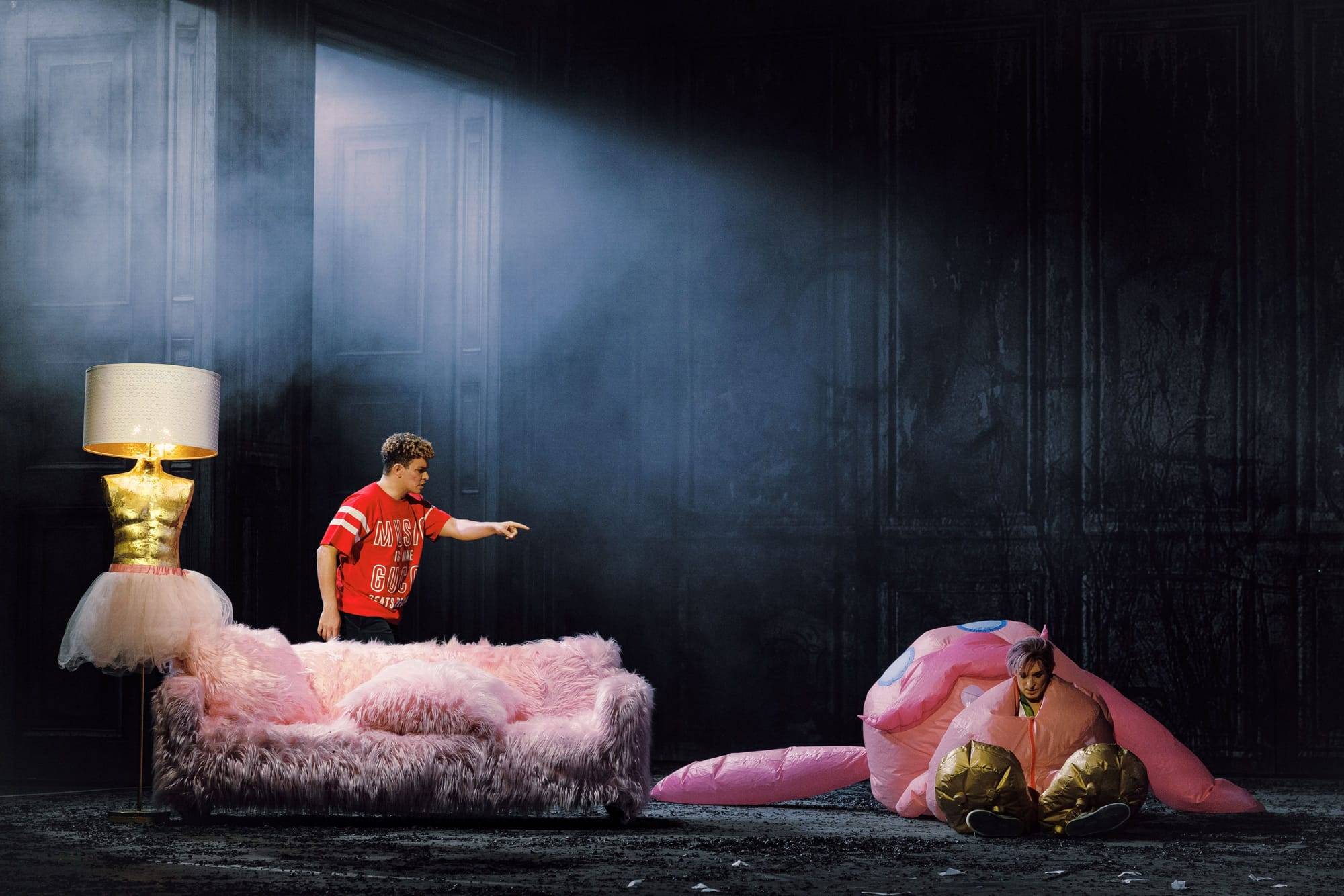
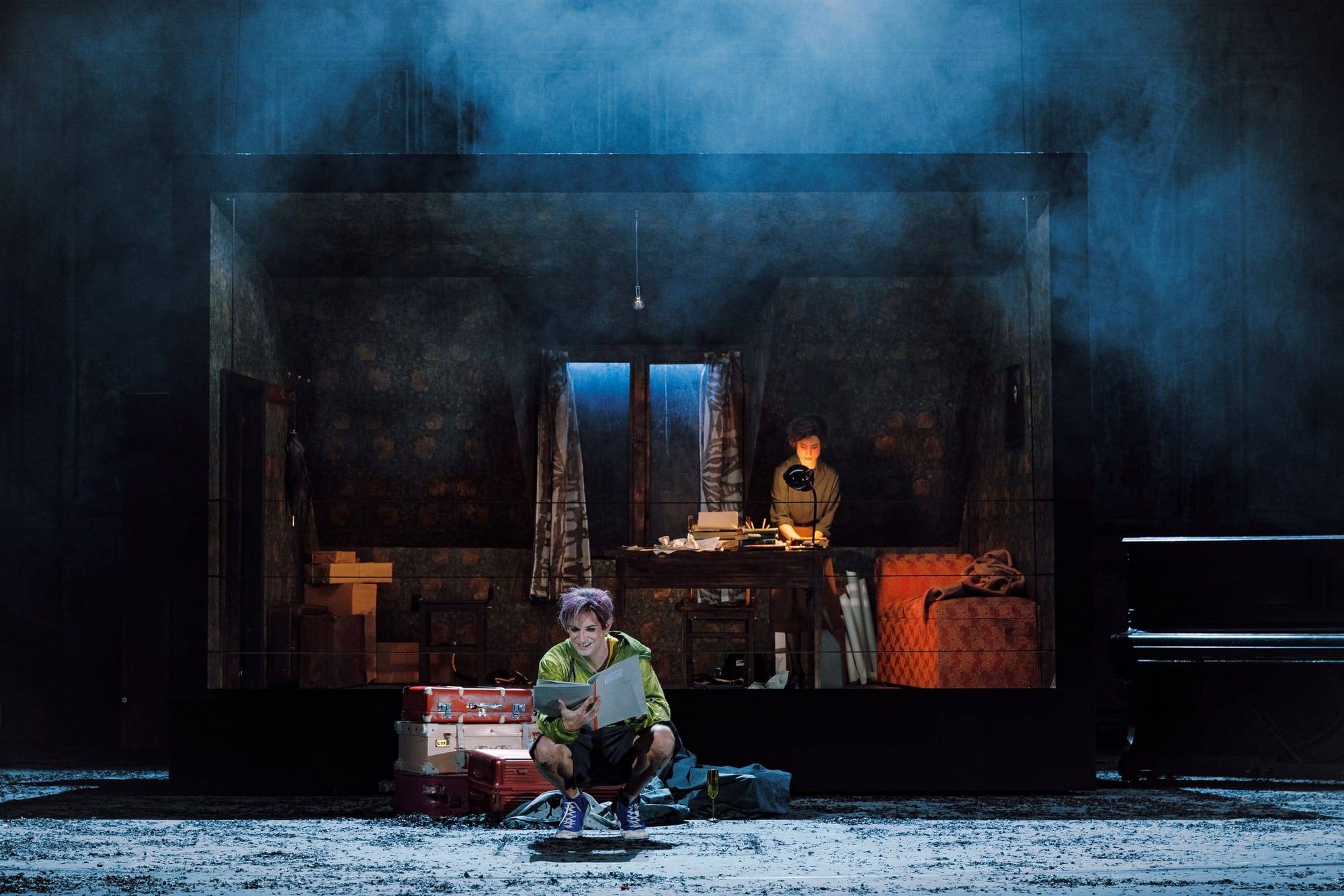
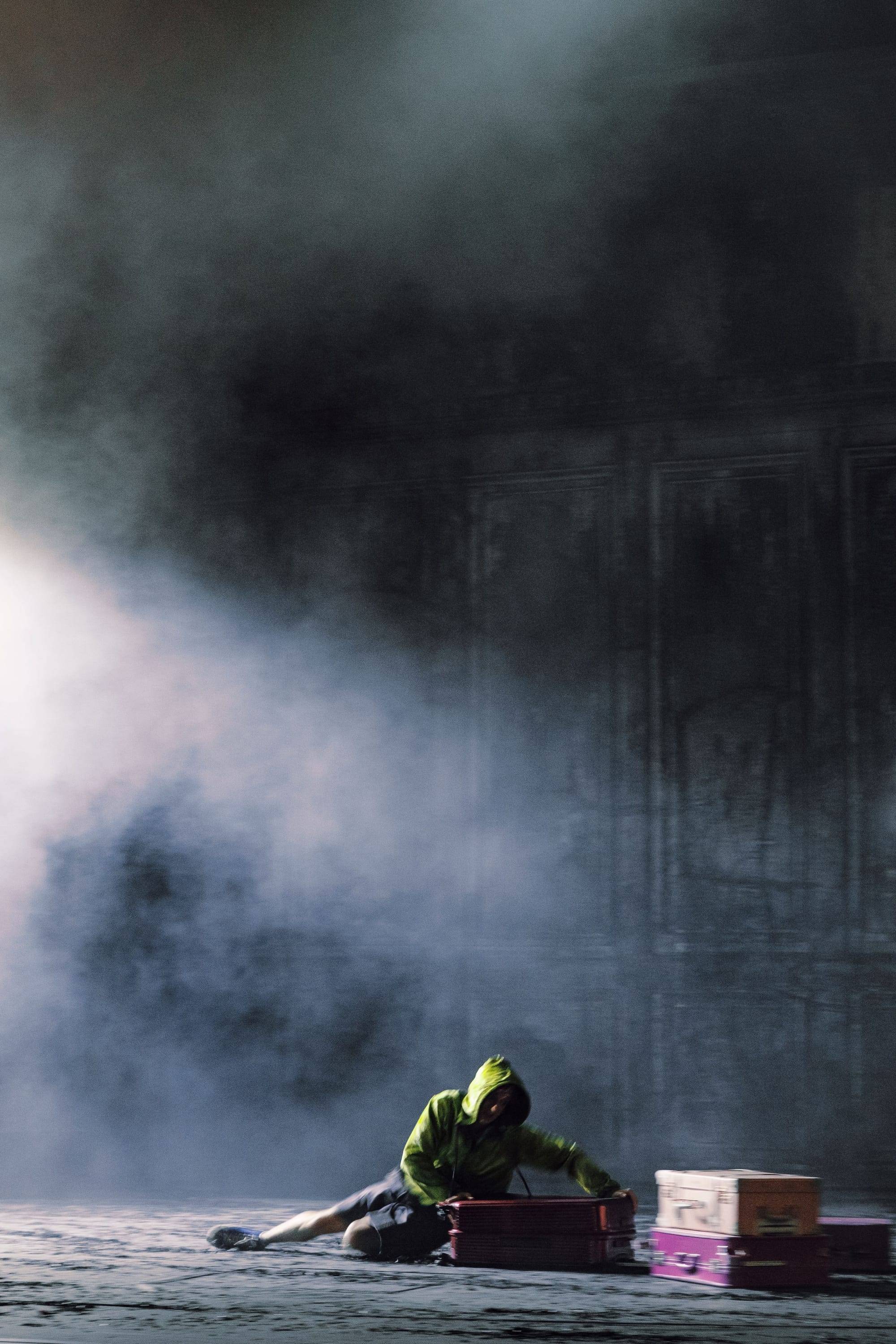
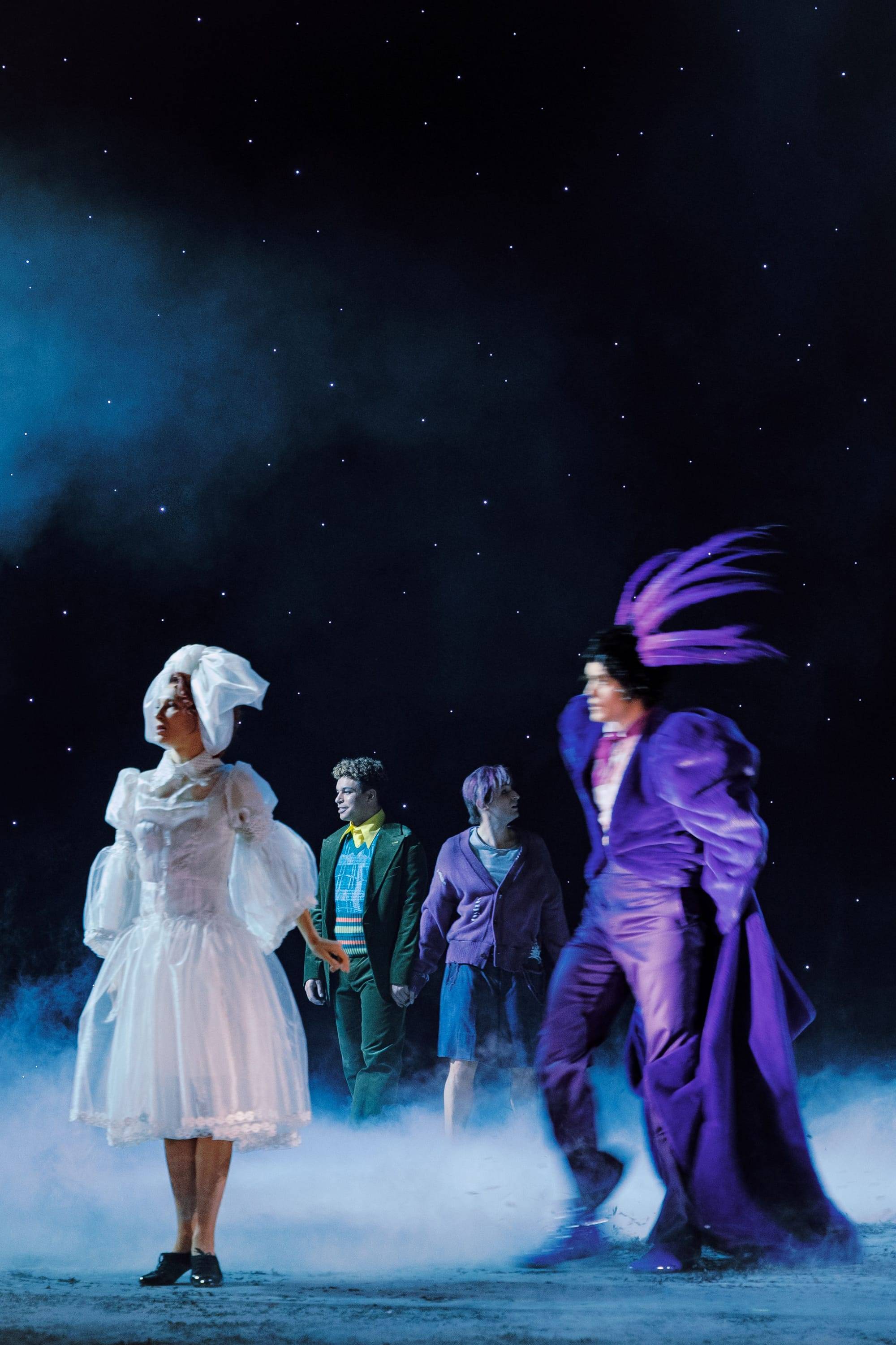
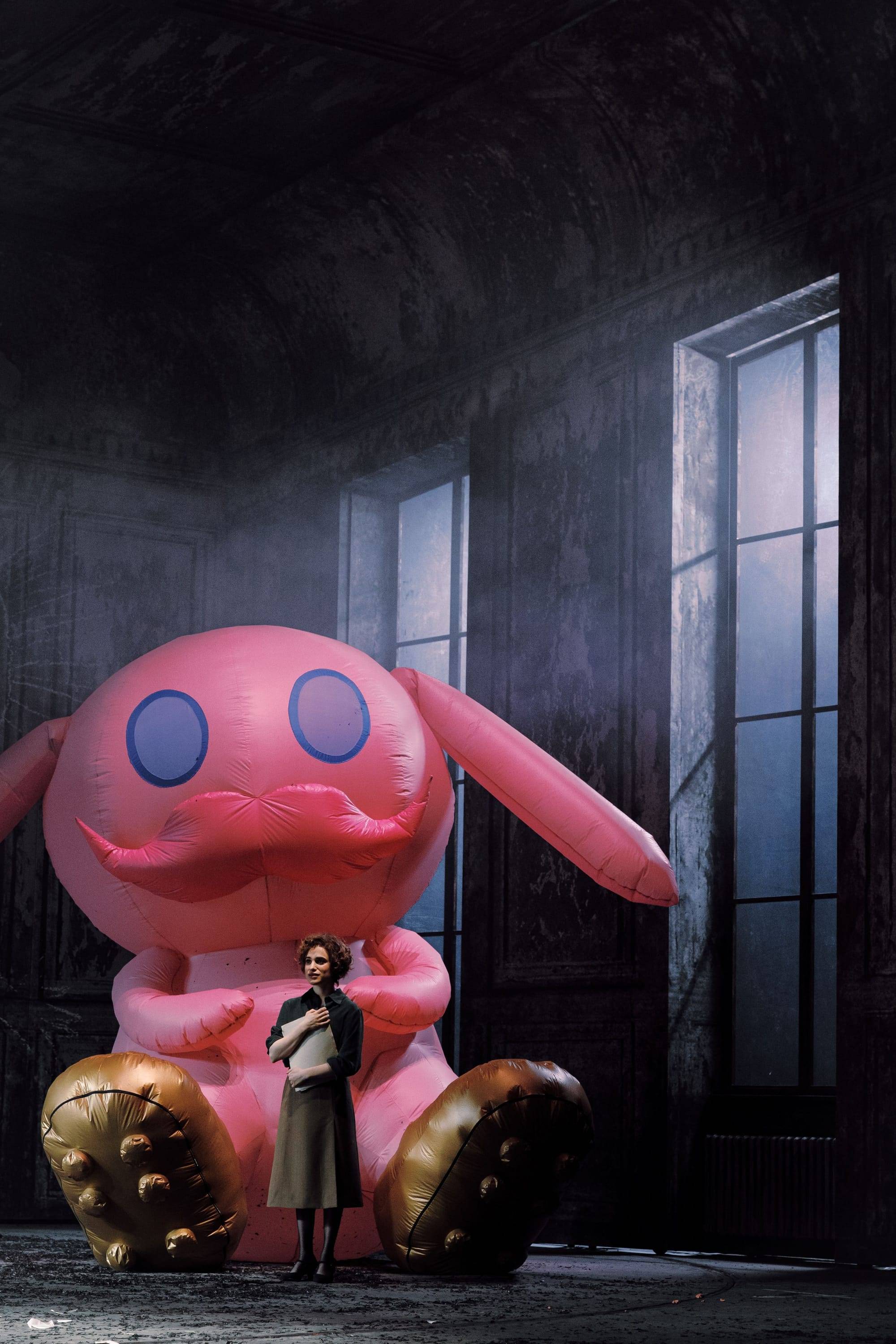
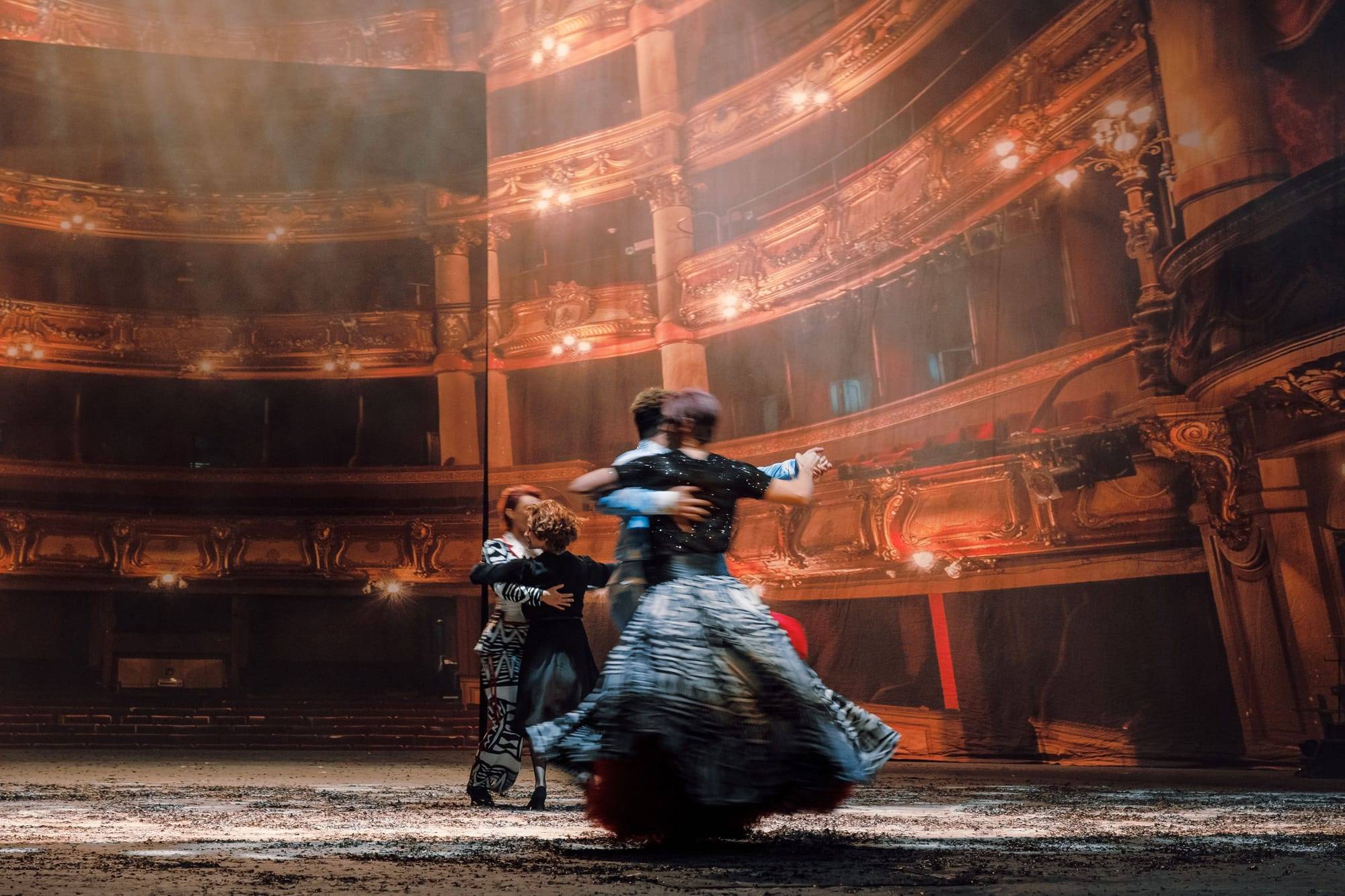
The play is set in an abandoned, dilapidated apartment at Glasergasse 7. Ida Grünwald used to live here. Now Cinderella and her family are moving in. On stage is a large room with old-building walls; the plaster is peeling, graffiti covers the walls, and doors on the right and left lead into the room. Everything looks dilapidated and abandoned; the lighting is dim, and the floor is dirty. Cinderella’s stepmother wants to renovate the apartment. When Ida Grünwald later appears as a ghost, her study hovers on strings suspended from the apartment’s ceiling as a small, lovingly furnished box reminiscent of an attic room. The back wall of the apartment can rise, and the side walls can slide to the left and right; then—for example, in the ballet scenes set in the fashion salon—many sewing machines are brought onto the stage via the revolving stage. Some scenes take place at the Vienna Opera Ball; in these instances, the back wall also disappears, and a large backdrop reveals the interior of the Vienna State Opera. It seems as though all the scenes emerge from within the old apartment at Glasergasse 7. Some scenes also incorporate projections, such as when Cinderella sings in front of a lowered curtain—and drawn ghostly figures are projected onto this curtain, dancing with Cinderella. Another element consists of large, inflatable soccer mascots that Cinderella’s stepmother procures for her soccer club. These are several meters tall, pink bunny figures with mustaches, reminiscent of exaggerated, comical sports mascots. Cinderella, too, can slip into a costume depicting this mascot. The costumes are colorful and opulent. Johann Strauss is dressed entirely in gold and painted, just like his statue in the city park. The contemporary characters wear colorful, exaggerated costumes. The ballet characters also wear opulent, somewhat more historical costumes. The ball scenes feature countless imaginative gowns and dresses.
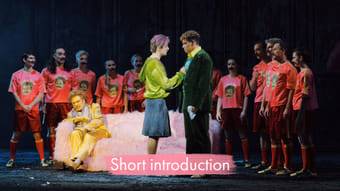
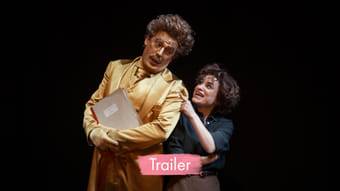
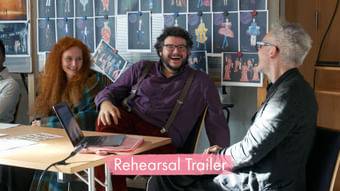
"A motley ride through the history of music and fairy tales", read one review of the premiere of Aschenbrödels Traum (Cinderella’s Dream), which was celebrated with standing ovations.
A Cinderella unlike any other Cinderella in the world! What awaits you at our premiere of Aschenbrödels Traum (Cinderella’s Dream) is what dramaturge Thomas Höft asked the librettist and director Axel Ranisch.
Take a look at the imaginatively designed costume sketches by Alfred Mayerhofer, which give you a glimpse of the magical world awaiting you in our fairy-tale operetta Aschenbrödels Traum (Cinderella’s Dream). We can’t get enough of these charming characters and their costumes—don’t miss this production!
We congratulate the composer of our new fairy-tale operetta Aschenbrödels Traum (Aschenbrödel's Dream), which will premiere at the Volksoper in November, on receiving this prestigious award!


.jpg "© Marco Sommer/Volksoper Wien")
-kl.jpg "© Marco Sommer/Volksoper Wien")
.jpg "© Marco Sommer/Volksoper Wien")
.jpg "© Marco Sommer/Volksoper Wien")

.jpg)

-Christoph-Bombart.jpg)


_hoch.jpeg)